Colloquial expressions
In informal language words are used with a special or “colloquial” meaning. Use vocabulary and idiomatic expressions related to the new and to uneventful everyday activities.
En lenguaje
informal, las palabras se usan con un significado especial o
"coloquial". Utilizar vocabulario y expresiones idiomáticas
relacionadas con las actividades cotidianas nuevas y sin complicaciones.
Example:
Easy as pie =very easy
The math´s homework is EASY AS PIE.

IN YOUR FACE = aggressive
·
Mark,
I made five goals in yesterday match. IN
YOUR FACE man!

SLOUCH = lazy; non
performer
·
All
my Friends have an SLOUCH walk. They can´t run.
GIG = Job or task
·
The
nine´th grade students have GIGS, but don´t make a their cbligations.
PHRASAL
VERB
Phrasal
verbs are verbs that have their meanings changed when they are joined with
prepositions or adverbs (or both). The same verb can have dozens of completely
different meanings, depending on the term that goes with it.
Los
verbos de Phrasal son verbos que tienen sus significados cambiados se unen con
preposiciones o adverbios (o ambos). El mismo verbo puede tener docenas de
completamentos, diferentes Significados dependiendo del término que va con él.
Example:
COME OUT: salir, Phrasal
verb: da la idea general de salir; salir de algo en lo cual no se quiere estar
o ser, también usado para decir que se ha revelado de algo o de alguien,
también se usa para decir que algo va a salir al mercado.
It
gives the general idea of going out; out of something which is not to be or be
also used to say that it has revealed something or someone, it is also used to
say that something will go to market.
COME OUT of your room - Sal de tu cuarto
His
new book just – CAME OUT. Su nuevo libro salió al mercado
She
just CAME OUT of the closet. Ella
salió del closet.
He
COME OUT to his brothers. Él se
revelo a sus padres.
Example:
ü We´re all going to COME OUT of school.
ü Todos vamos a salir del colegio.
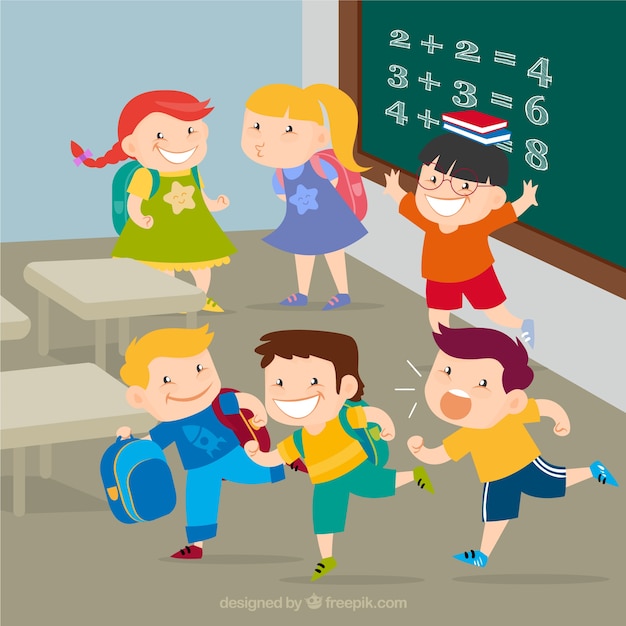
COME ON: venir, Phrasal
verb, Puede significar una forma de apurar a alguien, también se usa para
demostrar incredulidad sobre algo que alguien dice, a veces se utiliza para
decir que las luces se encendieron.
It
can mean a way to rush someone, also used to demostrate disbelief about
something someone says, it is sometimes used to say that the lights came on.
¡COME ON! – ¡Vamos!
Sorry,
I didn´t mean to COME ON too strong.
Disculpe, no quería feriar con Tigo tan agriamente.
The lights COME ON.
Las
luces se encendieron.
Example:
Angelica,
why don´t you COME ON in and drink
juice.
ü Angélica, por qué
no vienes y tomas jugo.

SIT DOWN: sentarse, Phrasal verb; es un verbo de dos palabras y contienen la palabra down,
es un verbo informal y suele usarse cundo no se denota donde se hará la acción
de sentarse.
SIT: para decir donde se hará la acción de
sentarse.
SIT DOWN: significa lo mismo pero no se especifica
donde se hará la acción de sentarse, es de naturaleza informal.
SIT DOWN: Is a verb of two words and contain the word
down, is an informal verb and is often used when not denoting where the action
of sitting.
SIT DOWN: Phrasal verb Juan Pablo, SIT DOWN, please.
ü Juan Pablo,
siéntese, por favor

Set up: crear, Phrasal verb; tiene varios sentidos dependiendo el contexto, el
primer sentido es preparar o configurar una máquina, también se puede aplicar a
montar o crear una empresa o negocio, también para decir que se va a organizar
o preparar un evento o un encuentro. Es decir significa: establecer, instalar,
montar, preparar.
SET UP: create phrasal verb; has several meanings
depending on the context, the first direction is set up or configure a machine,
you can also be applied to mount or create a company or business, also to say
that it will organize or prepare an event or a meeting. That is means to
establish, install, assemble, prepare.
ü I SET UP a robot blue.
ü Cree un robot azul.

PICK UP: Recoger; es un verbo frasal separable y
se puede colocar antes del sustantivo o al final, se puede usar de las dos
formas.
Is a
separable phrasal verb and can be placed before the noun or at the end, can be
used both ways.
Example:
I´ m PICK UP the dinnosaur.
Recojo el
dinosaurio.
I´m PICK the dinosaur UP.
ü I PICK UP the pencil.
Recojo el lápiz.

Aporte realizado por: Cristina
Ramos
*STRAIGHT SHOOTER = a person who is direct and truthful
Truthfulness is the quality of what is true or true, and conforms to truth and conforms to it. It is a positive moral value that seeks the truth. The meaning of truthfulness is intimately related to all that refers to truth or reality, or to someone's ability to always tell the truth and be sincere, honest, frank and have good faith. Therefore, it is the opposite of the lie, the hypocrisy or the falsehood.
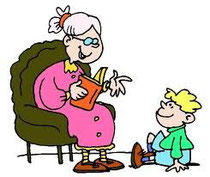
*STUD = manly
man
Male is that linked to the male: the human being whose gender is male. The
manly, therefore, is associated with the characteristics of man (as opposed
to women) and what is strong, consistent or courageous.

GHETTO = bad neighborhood; slum
Part of a relatively large population, containing a spontaneous social
grouping and having a peculiar physical, social, economic or ethnic character
by which it is identified.


*STRAIGHT SHOOTER = a person who is direct and truthful
Truthfulness is the quality of what is true or true, and conforms to truth and conforms to it. It is a positive moral value that seeks the truth. The meaning of truthfulness is intimately related to all that refers to truth or reality, or to someone's ability to always tell the truth and be sincere, honest, frank and have good faith. Therefore, it is the opposite of the lie, the hypocrisy or the falsehood.
ü No one doubts the truth of the facts reported by the
newspaper, since the newspaper has always told the truth. " In this
example, it is used with the sense of diffusion of a news.
Male is that linked to the male: the human being whose gender is male. The
manly, therefore, is associated with the characteristics of man (as opposed
to women) and what is strong, consistent or courageous.
ü That man is very manly he leaves his
beard
Part of a relatively large population, containing a spontaneous social
grouping and having a peculiar physical, social, economic or ethnic character
by which it is identified.
ü Medellin has a variety of
neighborhoods including very dangerous suburbs
*SLOPPY = lack of neatness; untidy
The word disorder is used
extensively to refer to the absence of order that
exists in a certain place in
which he knew to have at some point just order.
That is, there are things or
parts that correspond to a whole that should
be organized in a certain place or
in a given way and are not because
someone contributed to their
disorganization.
ü My house is a terrible mess since my sister
arrived, it's very messy!
*GUSTY
= courageous
Is the
encouragement or vigor in the execution of an action. For example: "A
man
of courage is needed for such a task," "I did not have the courage to
face Lord Wilson," "The firefighter showed his courage as he entered
the
house on fire to rescue the children," " Grandfather was cured
thanks to the
doctors and his courage. "
ü The man who rescued that cat is very brave
Phrasal verb List
*GO BACK:
Regresa
*COME BACK
: Vuelve
*GO OUT
: Fuera
*POINT OUT : Señalar
*Take over : Tomar el control
Aporte realizado por: Cristian Julian Cifuentes Guevara


